

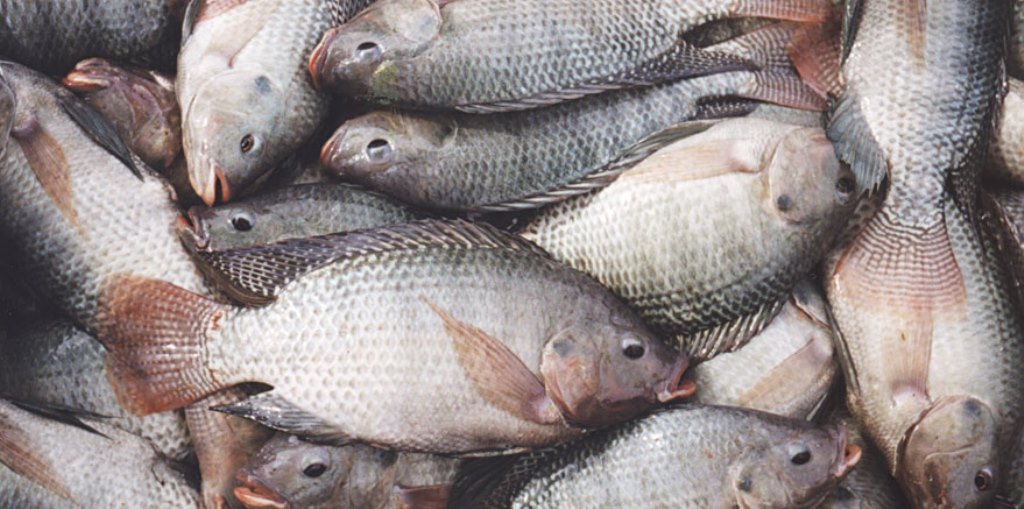
Over 4.72bn/- revenue was collected from fisheries activities in Kagera Region within a period of two years, Officer Incharge of Lake Victoria Surveillance Unit, Efrazi Mkama has disclosed.
He noted that the revenue was equivalent to 144.3 percent performance while the target was to collect about 3.27bn/-.
He elaborated that during the 2017/18 financial year the target was to collect 1.44bn while actual collection stood at 1.86bn/-, implying 129.2 percent performance.
During the 2019/19 fiscal year the department had targeted to collect 1.83bn/- but managed to surpass the target by collecting about 2.86bn/- (approximately 156.3 percent).
“The performance was due to tax adherence and continued education to the fishing communities on the importance of paying tax,” he said.
He, however, raised concern following increasing water levels due to ongoing rainfall where several infrastructures including buildings on landing sites have been submerged.
He cautioned fishing communities plying Lake Victoria to adhere to weather updates released by the Tanzania Meteorological Agency (TMA) and ensure that their vessels and passengers are equipped with lifesaving gadgets to avoid drowning.
The East African Community has designated the lake basin as an economic growth zone with the potential to develop into a major economic region.
`The fisheries are vital in creating employment opportunities, mostly rural-based, thereby helping to reduce rural-urban migration.
Fish is also a rich source of animal protein for human consumption and provides raw material (fishmeal) for processing animal feeds.
The fish industry is one of those sectors that contribute to GDP and has continued an important source of foreign exchange earned from fish exports.
Besides, the fish industry contributes the national and local government revenue through levying of various taxes, levies and license fees.
The sector has also contributed directly and indirectly to the improvement of physical infrastructure and social facilities such as roads, schools, and hospitals, particularly in remote fishing communities.
Based on current stock estimates the lake has the potential to yield fish valued at over 800 million US dollars annually on a sustainable basis.
Further processing and marketing the fish in the local and export market could provide an opportunity to generate additional earnings.
Currently, however, only about 500,000 tonnes of fish are landed annually with an average landing value of approximately 600 million US dollars.